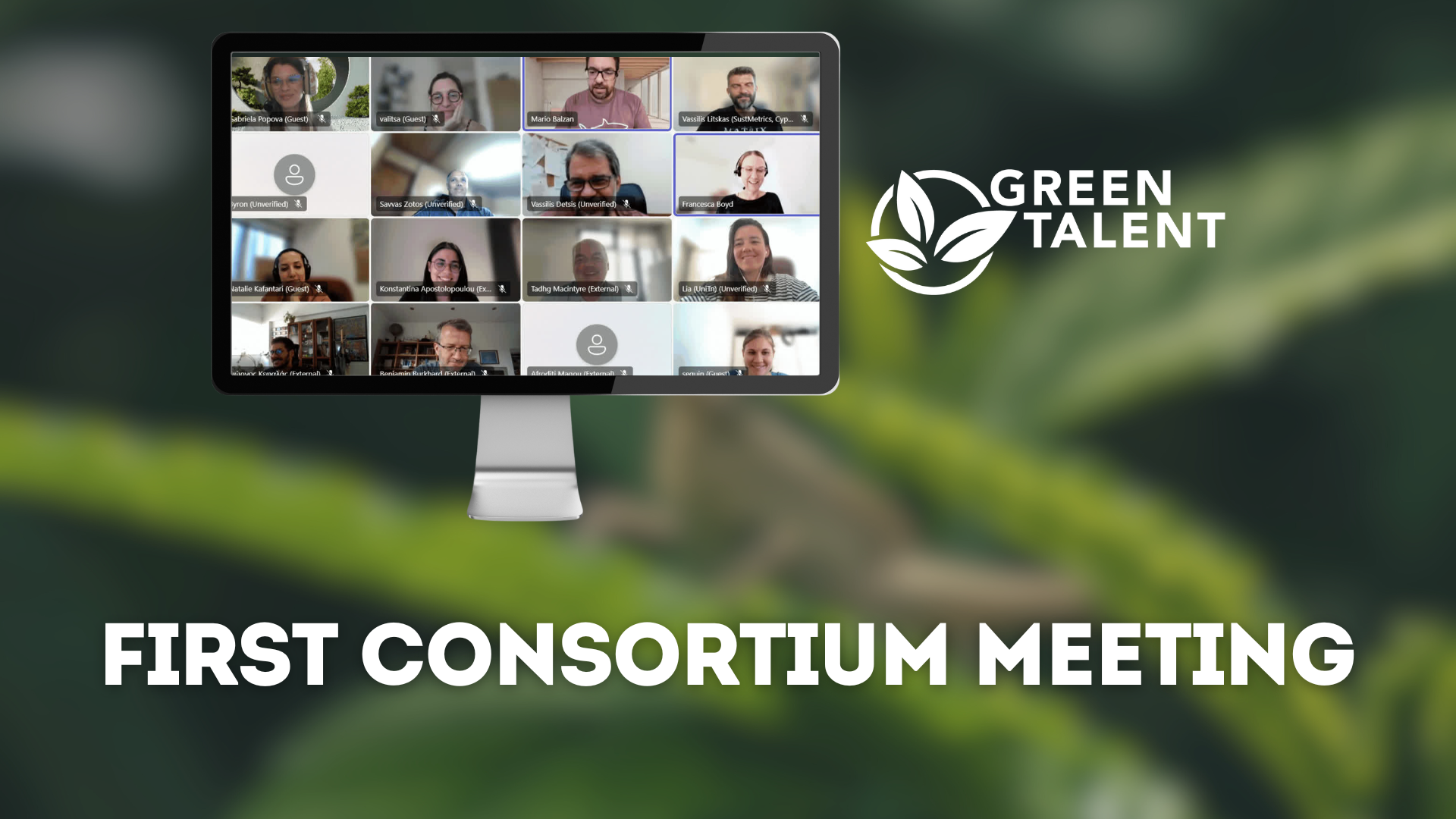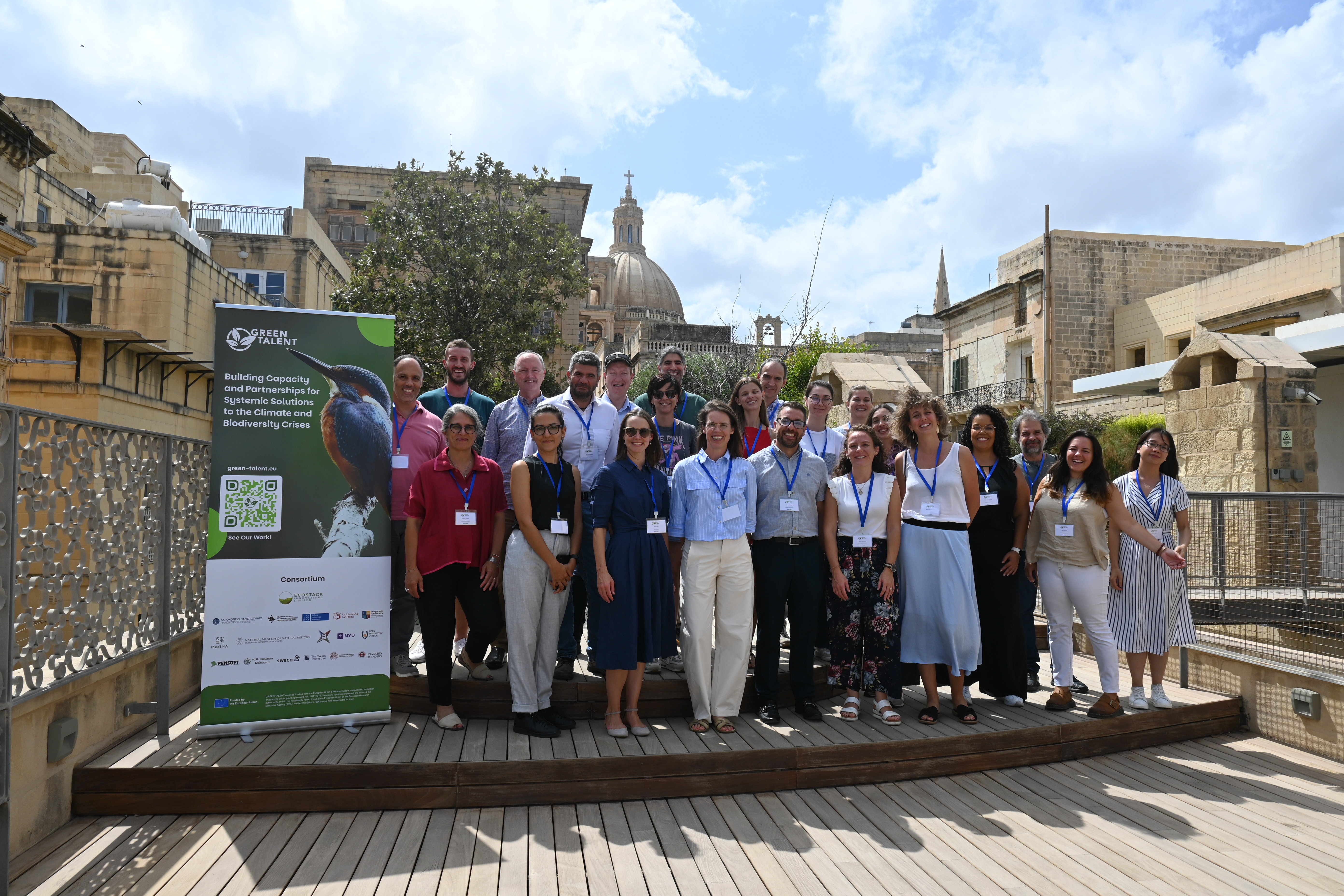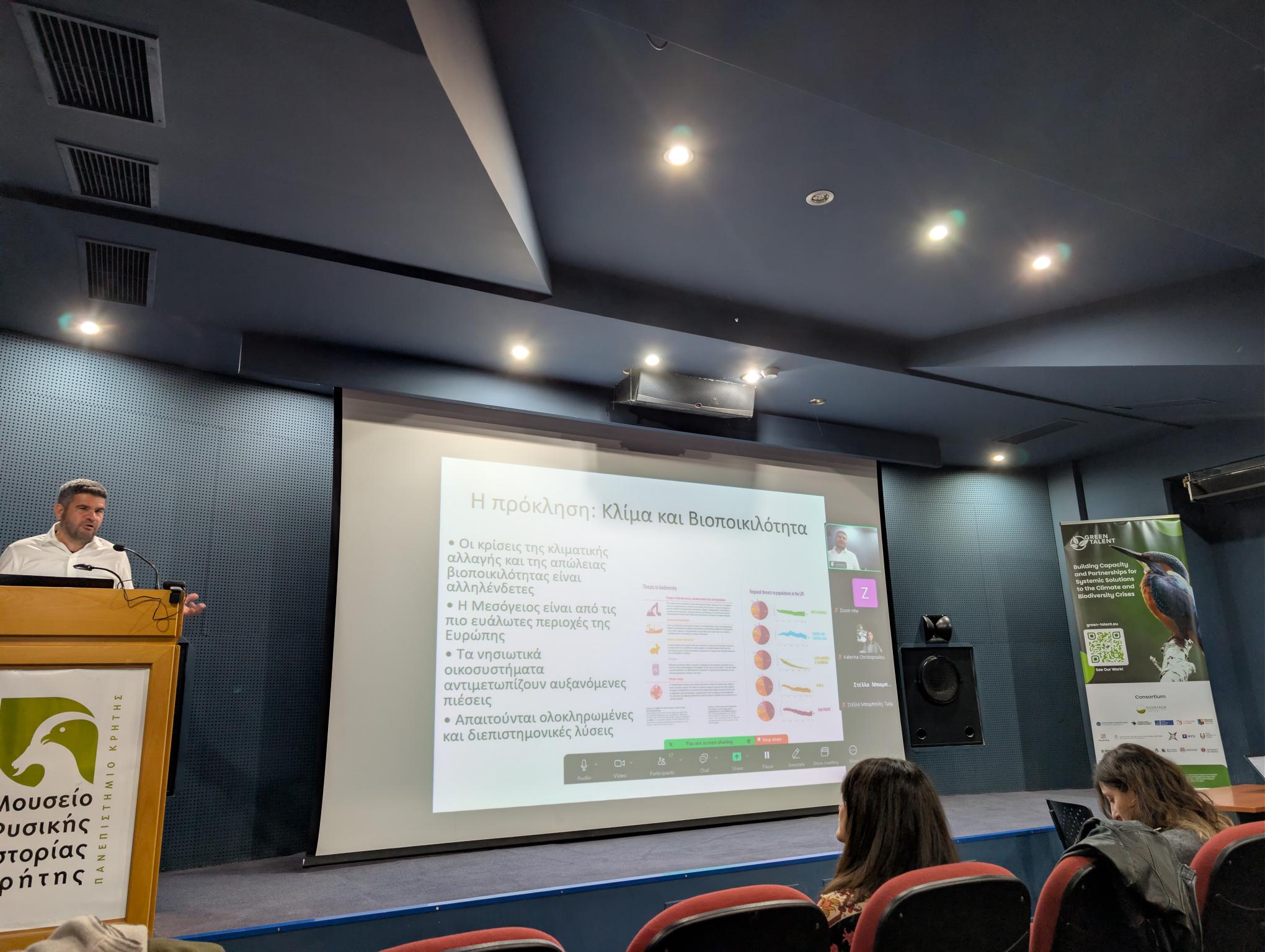
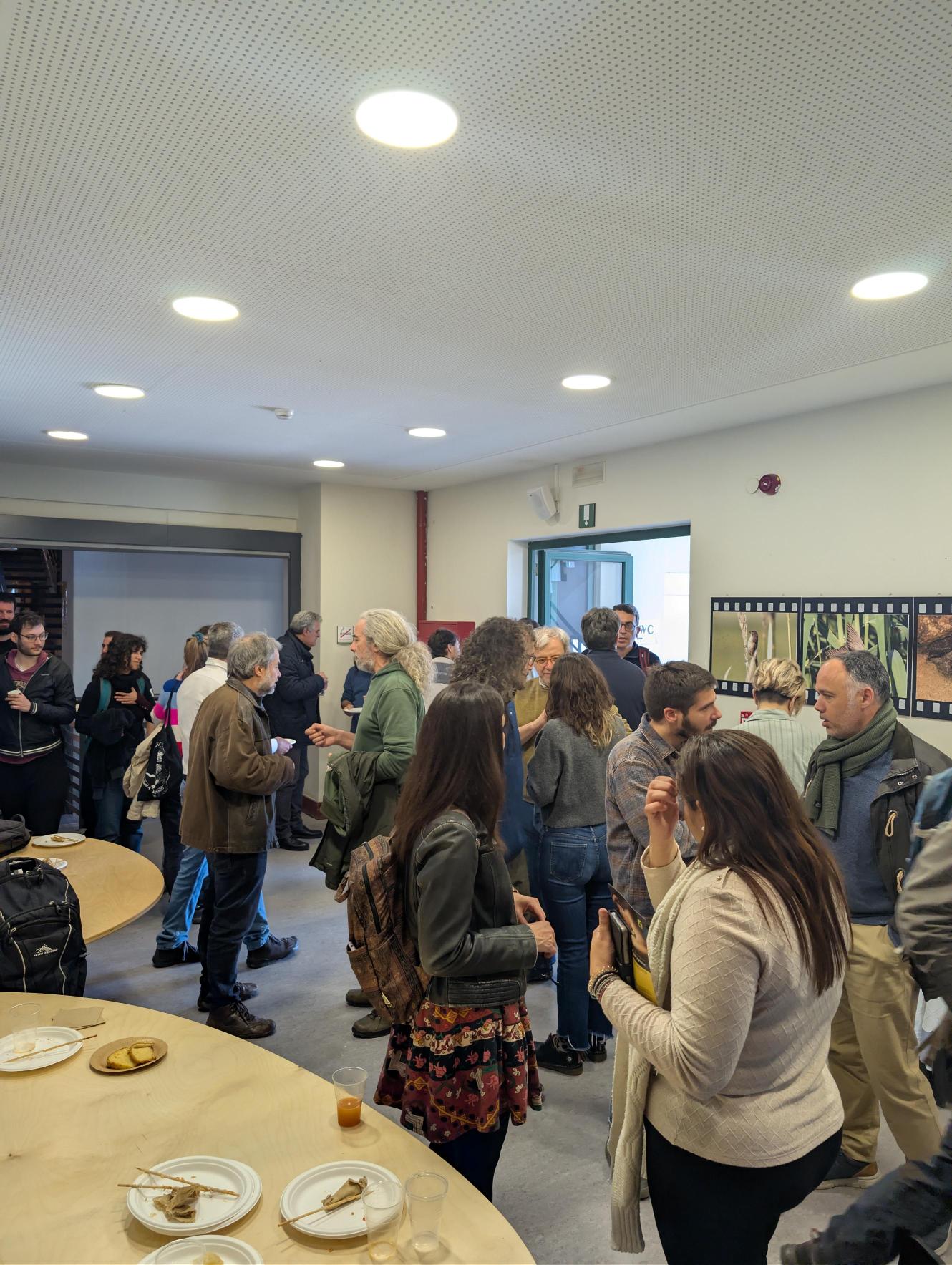
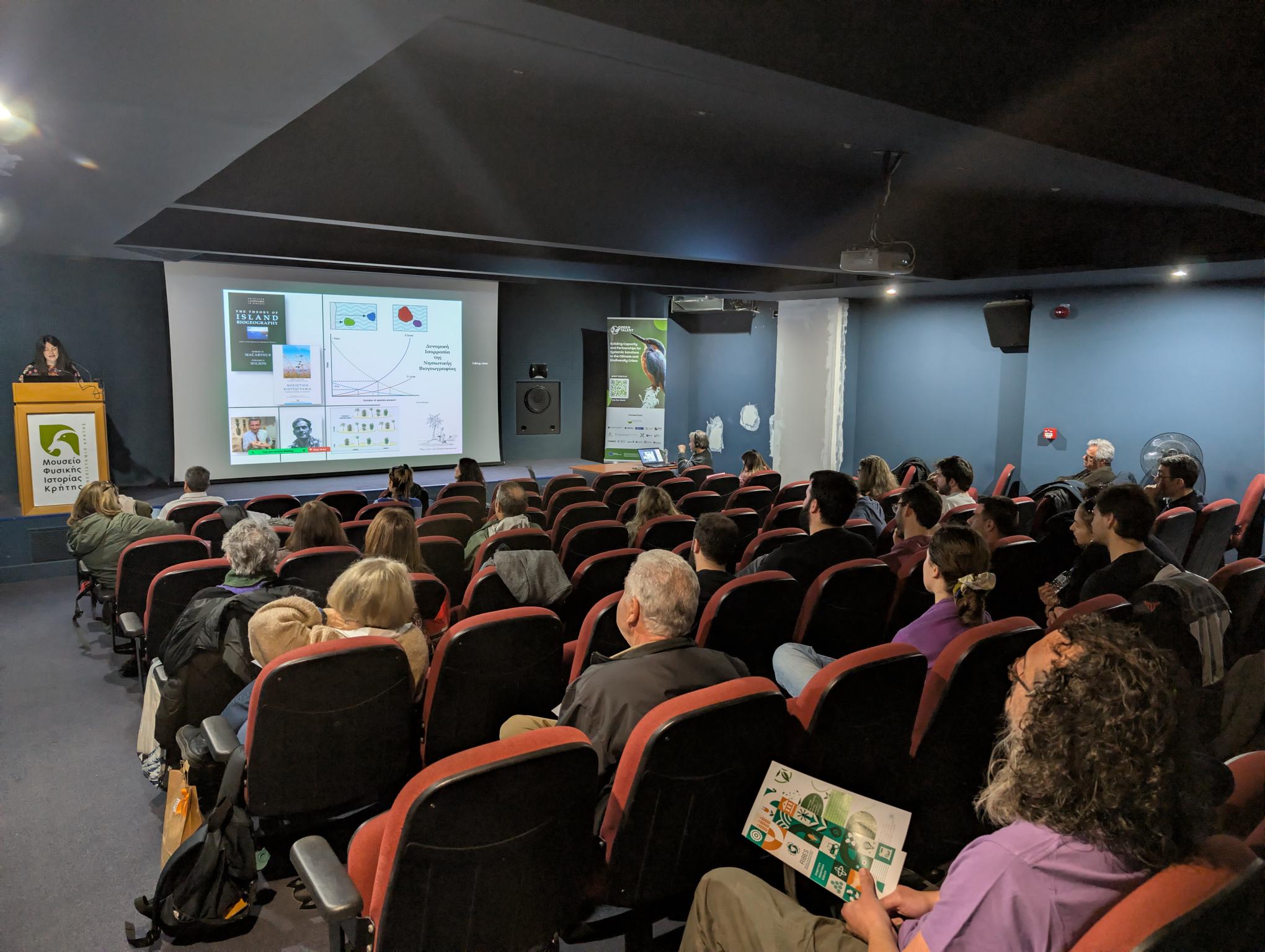
On the 18th of March the Greek partners of the Green Talent consortium (University of Crete, MedINA, and Harokopio University of Athens) co-organised a hybrid workshop at the Natural History Museum of Crete (NHMC), bringing together 32 in-person and 16 online participants from academia, public authorities, research institutes, NGOs, and the private sector.
 |
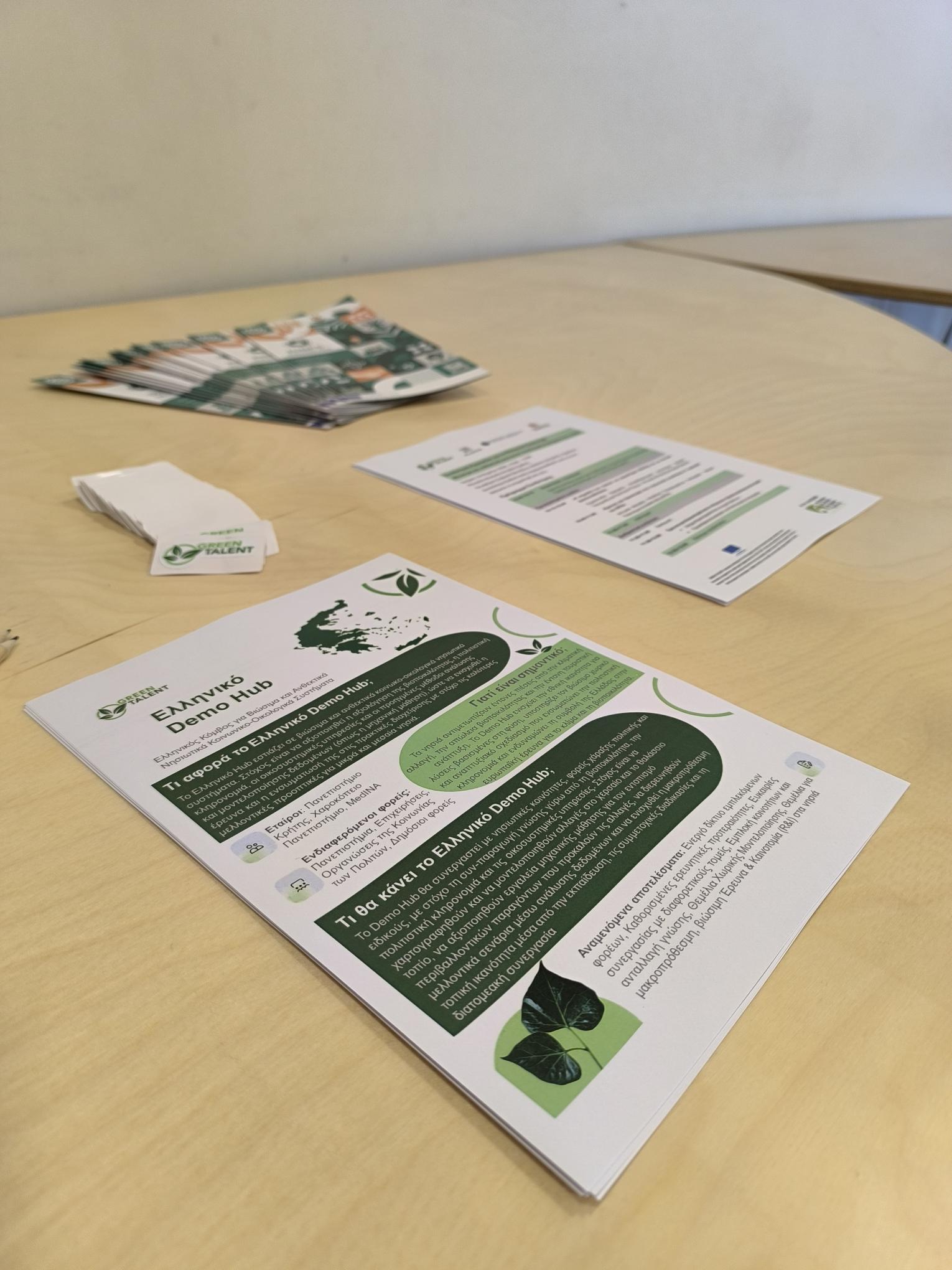 |
The workshop introduced the Greek Demo Hub, which focuses on fostering sustainable and resilient island social-ecological systems. Through biodiversity assessment, cultural heritage, ecosystem services, and advanced data analytics, the hub aims to support better futures for small- and medium-sized islands while building long-term local capacity through training, participatory approaches, and cross-sector collaboration.
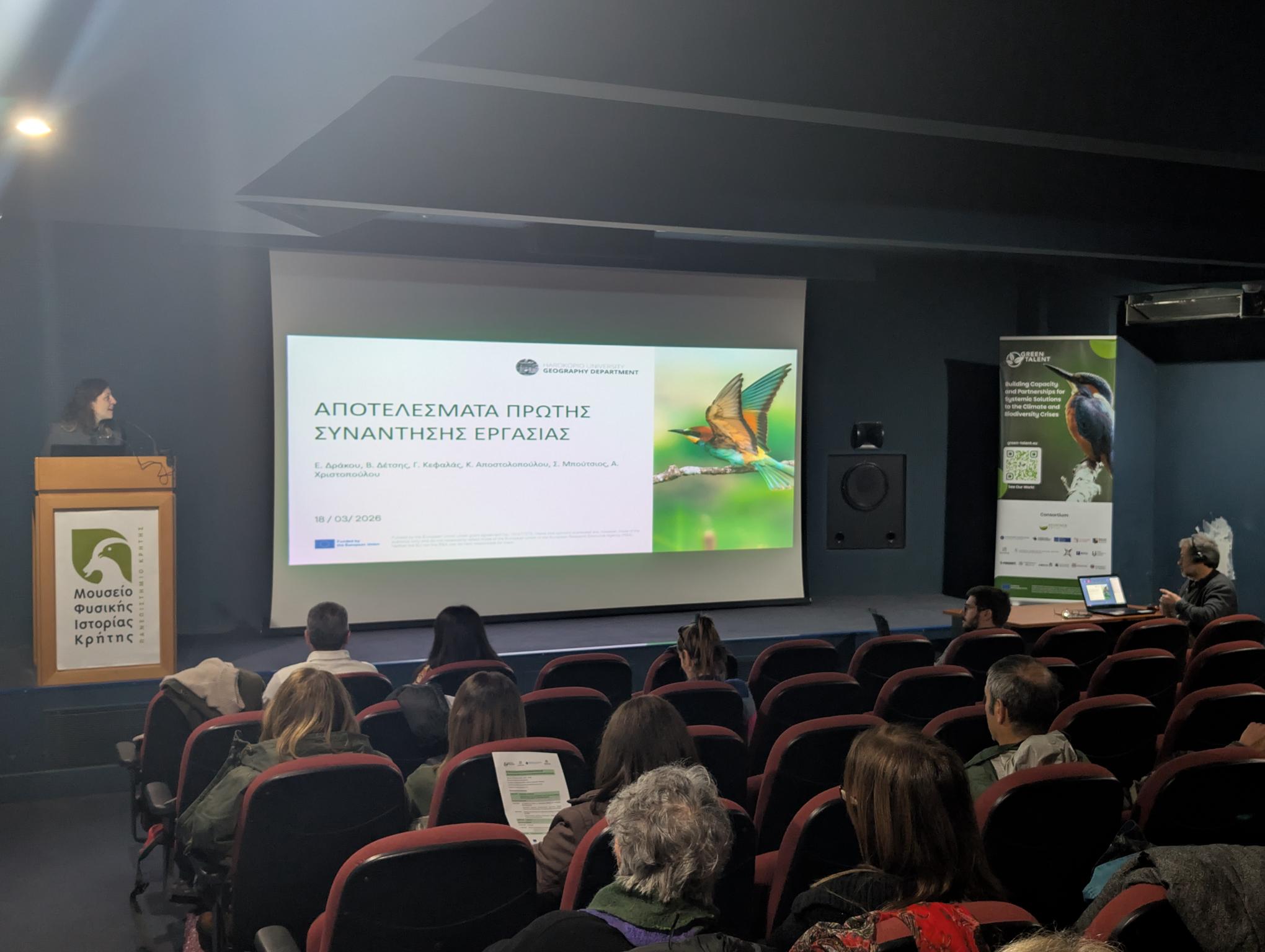
The programme featured an opening presentation by Assistant Professor Aris Moustakas (University of the Aegean), followed by a keynote by Dr. Emmanouela Karameta (Genomics and Genetic Resources Division, NHMC) on the importance of islands as centers of biodiversity and evolution. Associate Professor Evangelia Drakou (Harokopio University of Athens) also presented key insights from a previous stakeholder workshop in Athens, which contributed to the co-design of the Green Talent Roadmap.
 |
 |
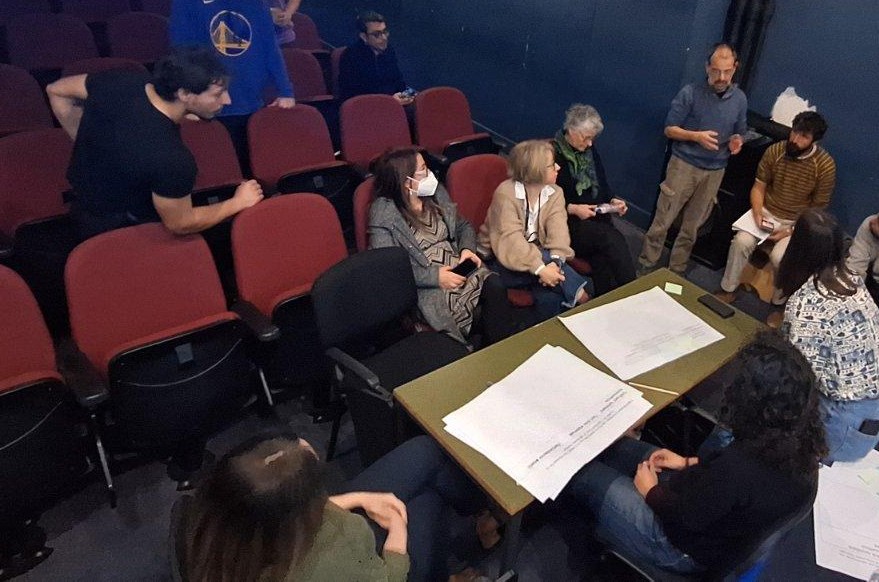
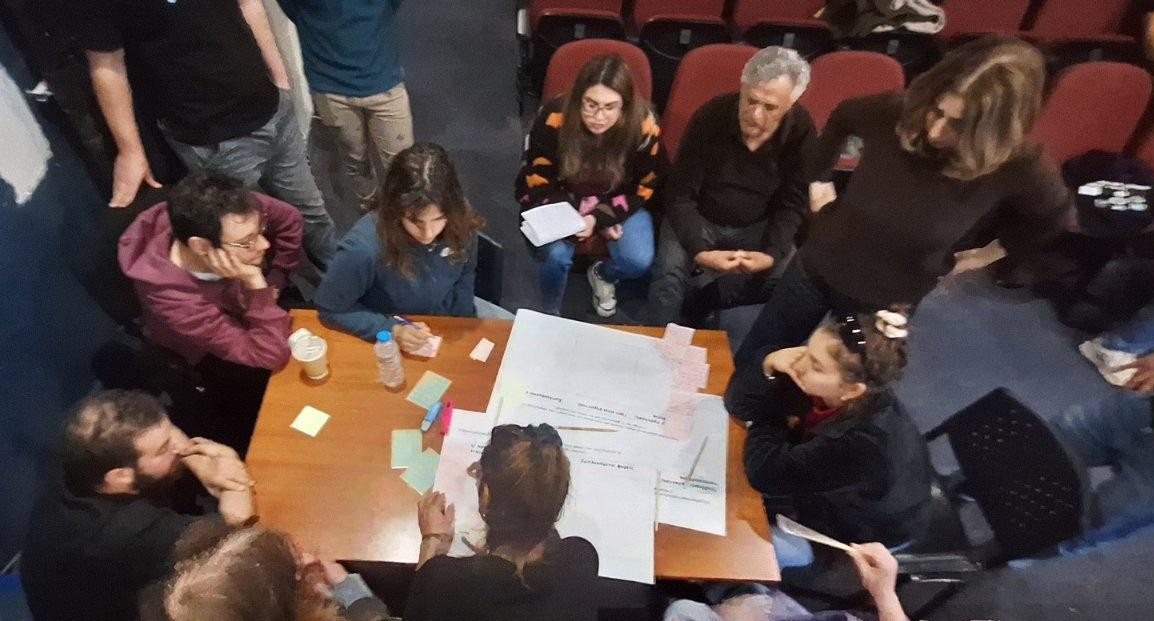
A central part of the workshop was the co-creation session, presented by Sofia Tzouli, Freshwater Programme Officer (MedINA), in which participants worked collaboratively to identify priorities, collaboration challenges, and required skills related to biodiversity loss and climate change.
 |
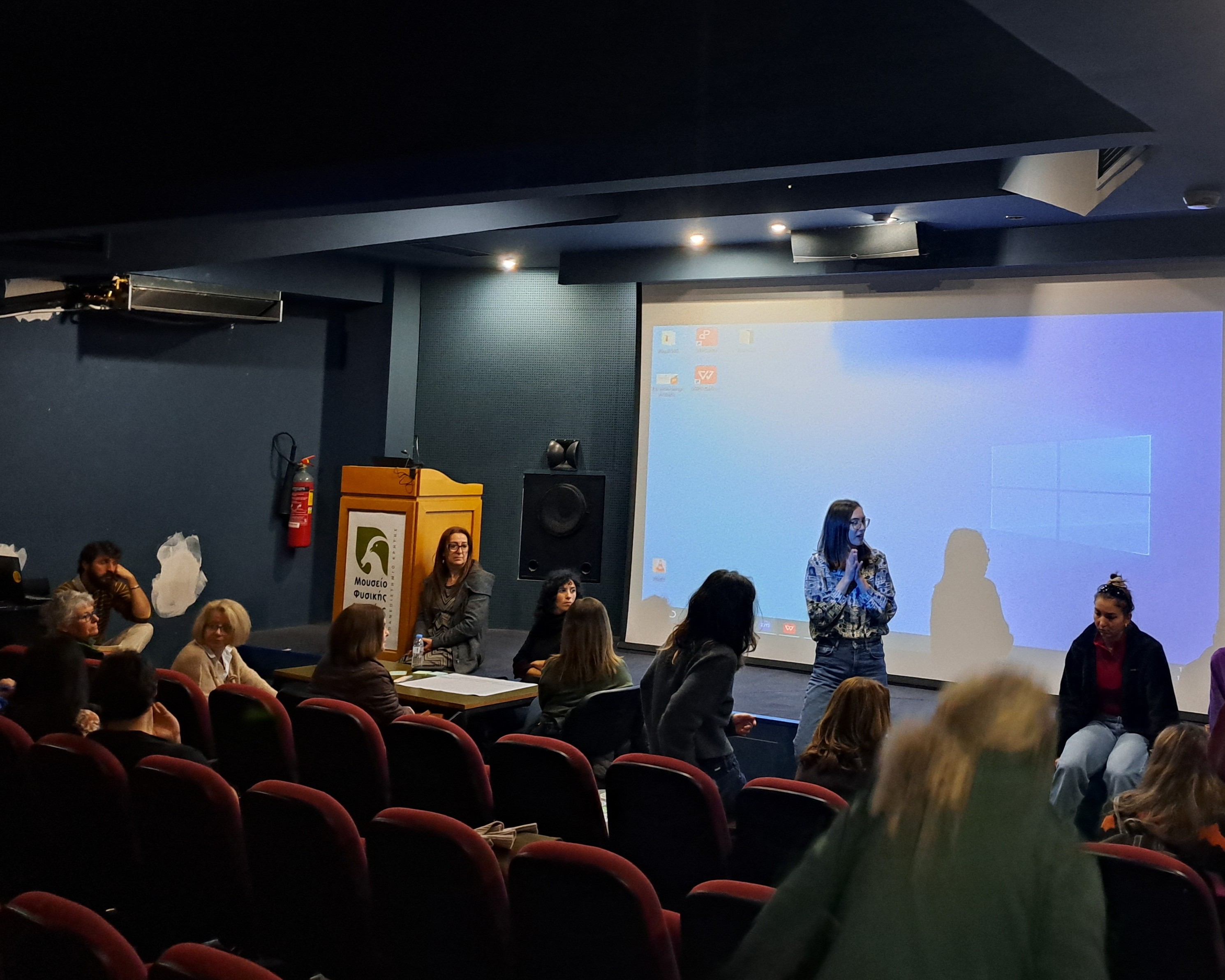 |
Discussions highlighted the importance of meaningful engagement with local communities, emphasising that integrating local knowledge and fostering genuine collaboration are essential for effective and socially just solutions. Participants identified a range of interconnected challenges, including biodiversity loss driven by overgrasing, tourism pressure, and land-use change, pollution and waste mismanagement, as well as gaps in data, research, and environmental monitoring. Limited resources, weak enforcement, and insufficient awareness of resource limits were also seen as key barriers. Across all topics, there was a strong emphasis on the need for participatory approaches, improved knowledge exchange between scientists and local land users, and better coordination among public authorities, researchers, and local stakeholders to ensure more sustainable management of island ecosystems.
 |
 |
The event concluded with strong engagement from participants and a shared commitment to remain involved in the Greek DemoHub and continue strengthening dialogue and cooperation among scientists, policymakers, and other stakeholders in Greece.