The importance of small and medium-sized islands (SMIs) is undeniable. Recognised as a special case for sustainable development, their ecological value is underscored in international frameworks such as the 1992 Earth Summit’s Agenda 21. The United Nations’ Sustainable Development Goals (SDGs) further emphasise the unique challenges faced by small island states, particularly in climate resilience, marine resource management, and sustainable economic development.
In a recent publication, researchers from the Green Talent project, joined COST (European Cooperation in Science and Technology), to develop an open-access compendium of case studies showcasing nature-based solutions (NbS) implemented in SMIs, . The article, published in Scientific data, is based upon work from COST Action SMILES: Enhancing Small-Medium IsLands resilience by securingthe sustainability of Ecosystem presents an exhaustive analysis of both peer-reviewed literature and grey literature, offering a comprehensive resource for policymakers, researchers, and practitioners.
The compendium, built through systematic literature analysis and the use of NbS repositories such as PANORAMA, Oppla, and NetworkNature, provides a detailed overview of NbS implementation in SMI contexts. Each case study includes key features such as country, major fishing areas, human population, island size, ecosystem type, and NbS category.
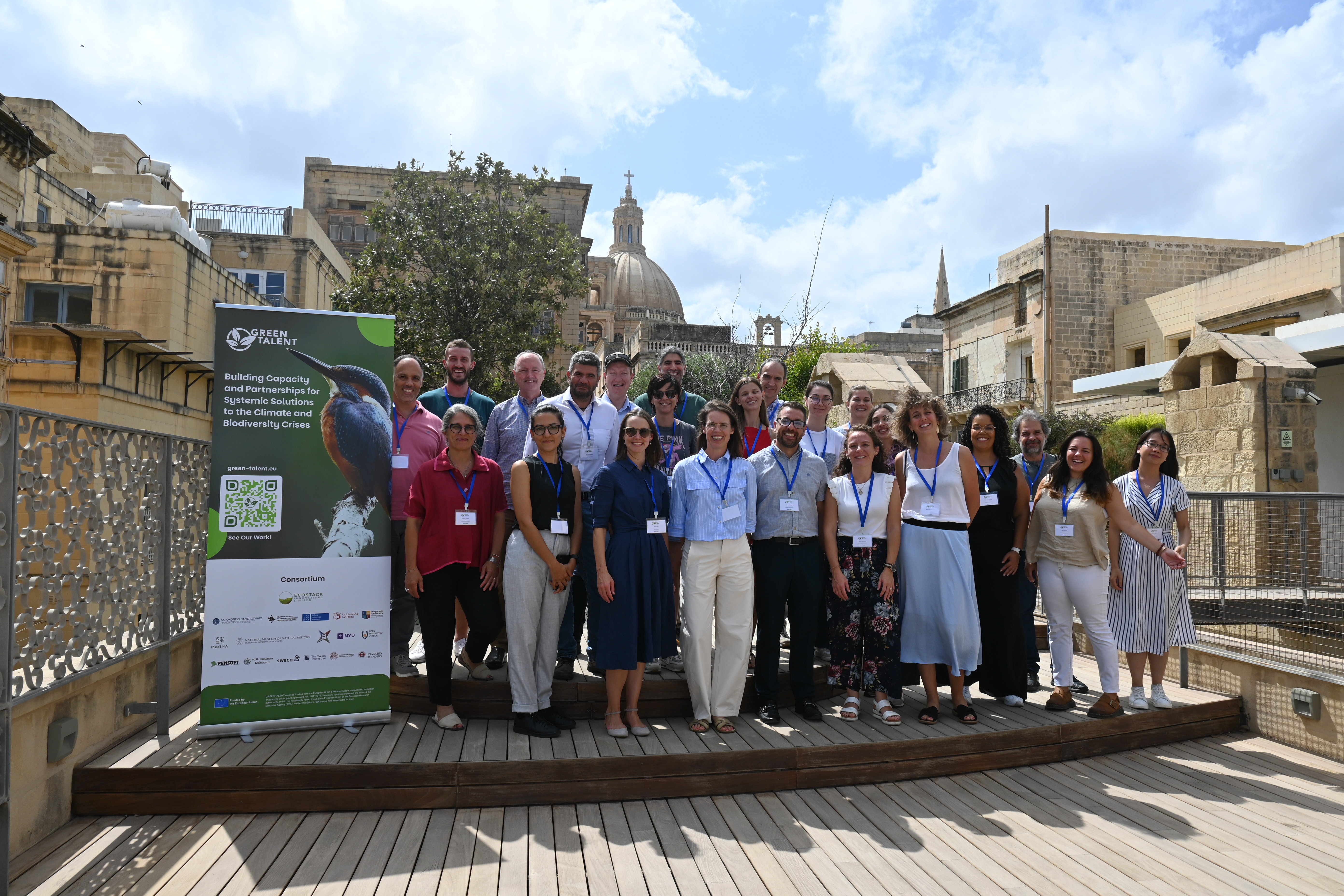
The Green Talent project aims not only to expand the body of knowledge on sustainable development but also to deliver practical insights for enhancing climate resilience, marine resource management, and economic sustainability in these ecologically significant regions. This initiative aligns with the work of the Malta DemoHub and exemplifies the power of interdisciplinary research in advancing global environmental goals and fostering innovative solutions for the world’s most vulnerable ecosystems.