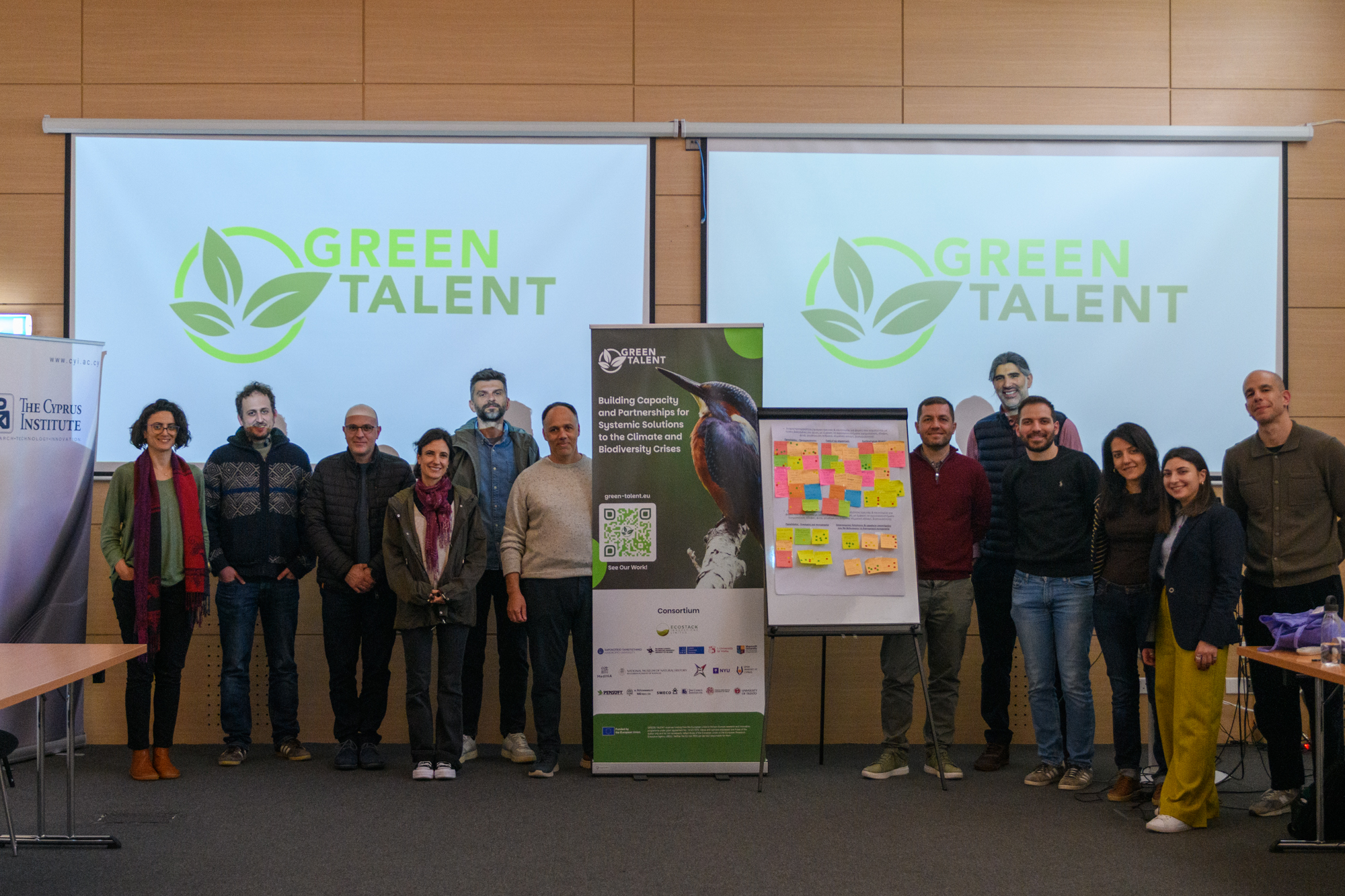
On Tuesday, the last DemoHubs workshop took place in Cyprus, inviting representatives from academia, industry, and the public and private sectors to contribute knowledge and experience to Green Talent’s emerging community of practice. The workshop was held in Nicosia, Cyprus and was jointly organised by the Cyprus Institute, Open University of Cyprus and VL Sustainability Metrics Ltd.
 |
 |
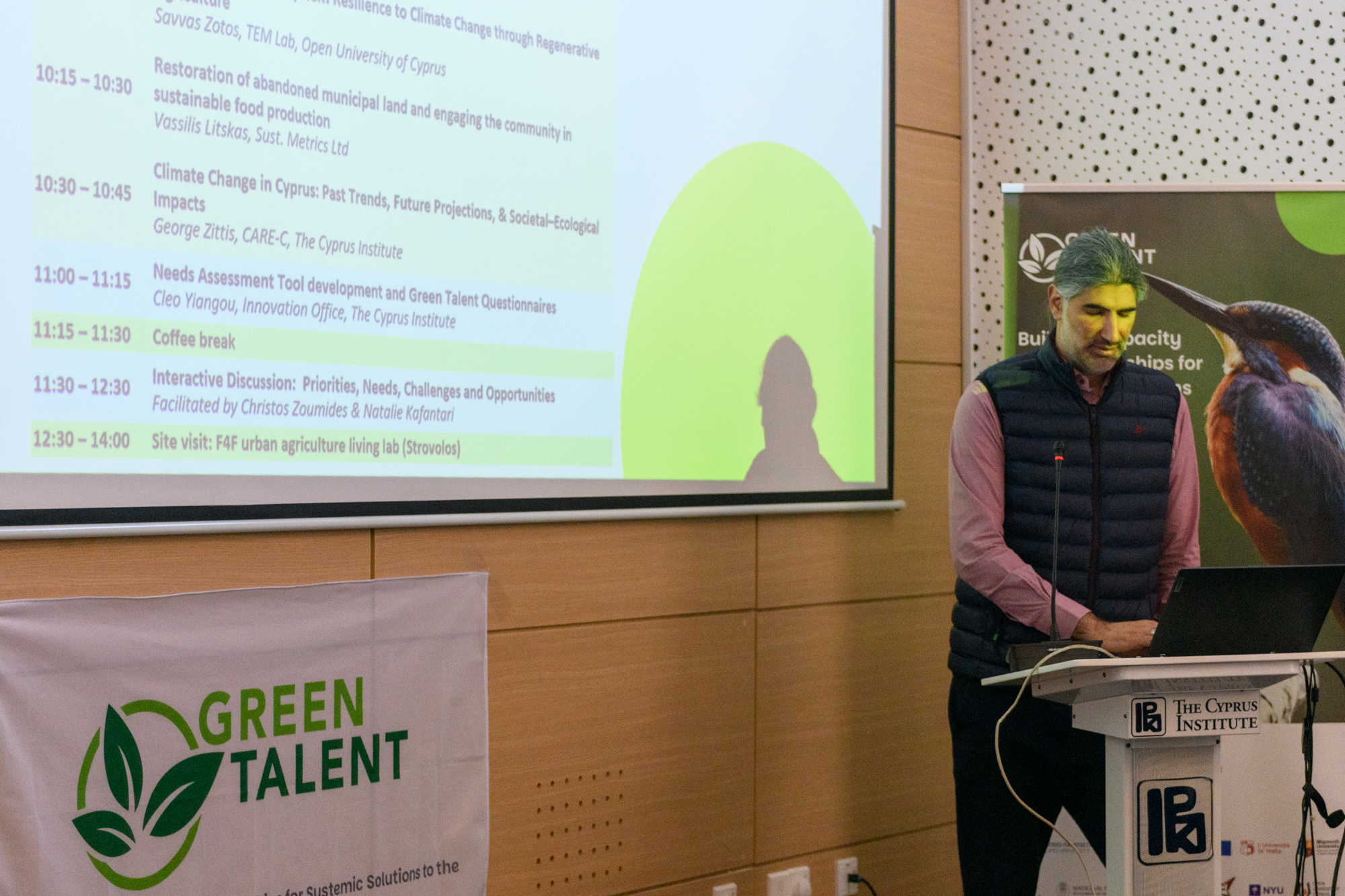
The workshop began with an introductory presentation by Christos Zoumides, a research scientist at the Water Department of Energy, Environment, and Water Research Center of the Cyprus Institute, who gave an overview of the project’s objectives, explained the meaning behind the Demonstration Hubs, and set the tone for the interactive discussion later. The programme continued with a presentation by Andreas Savvides and Christos Zoumides, shedding more light on how to increase agroecosystems’ resilience in a changing climate by co-designing and monitoring nature-based solutions for soil restoration in a semi-arid environment.
 |
 |
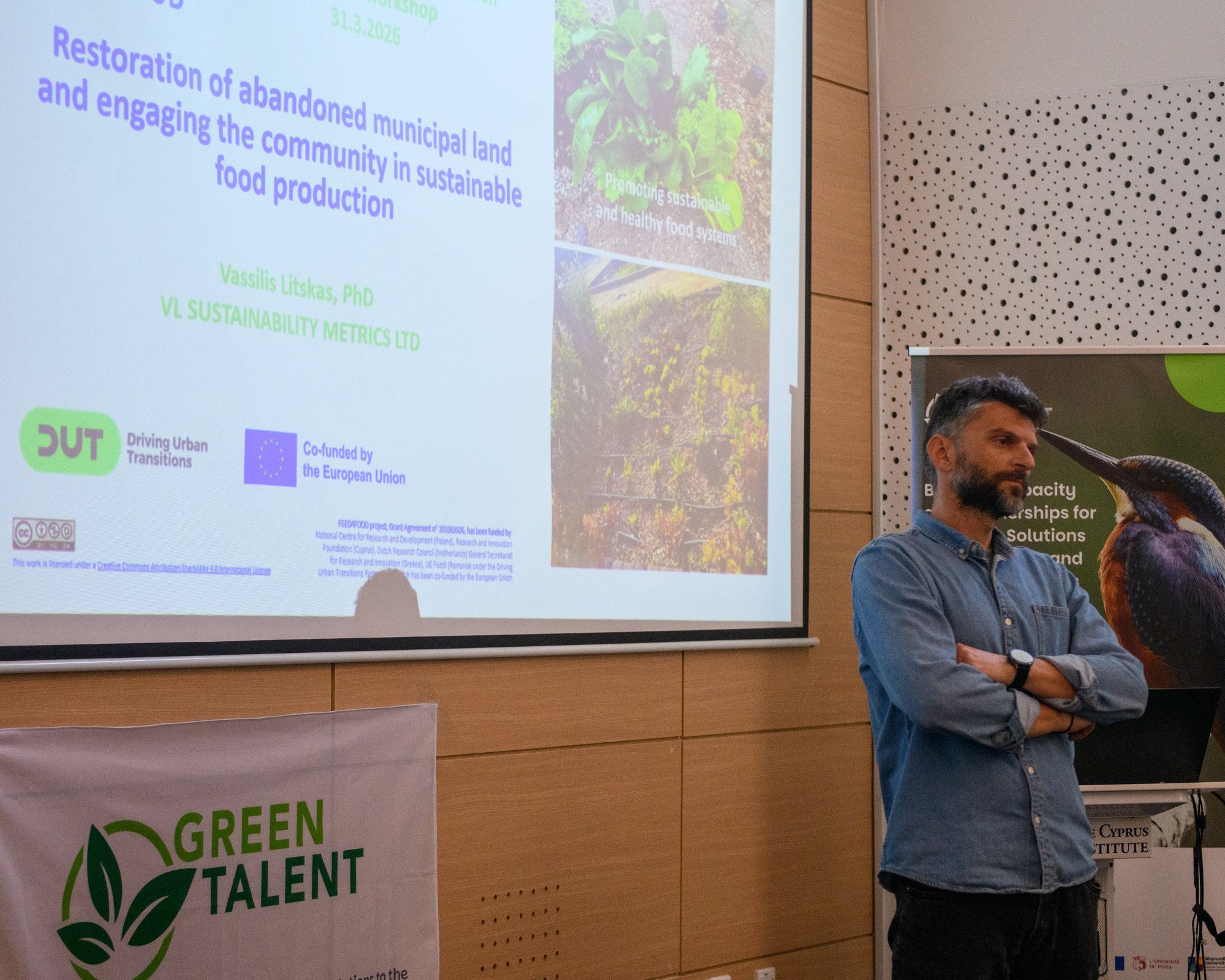
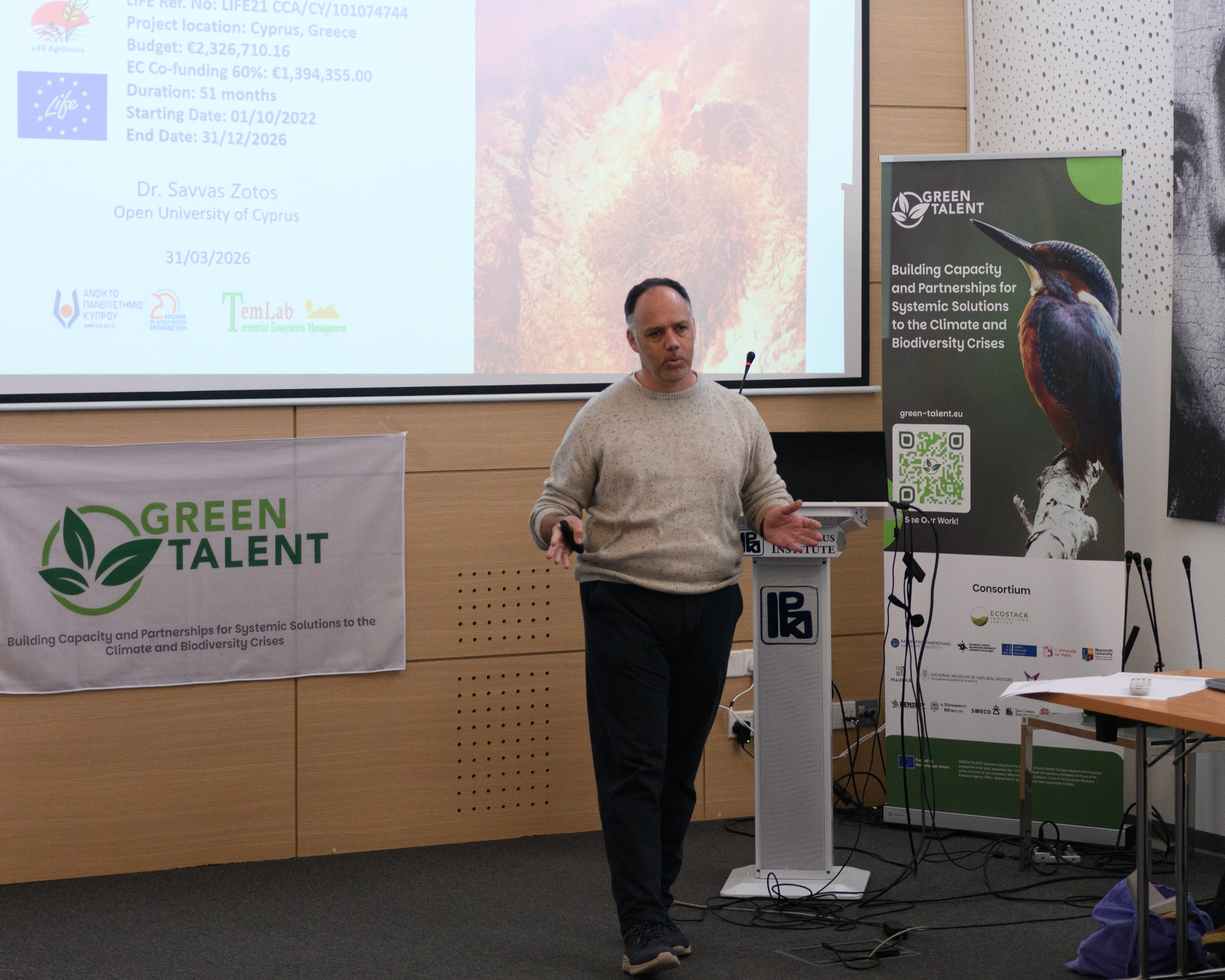
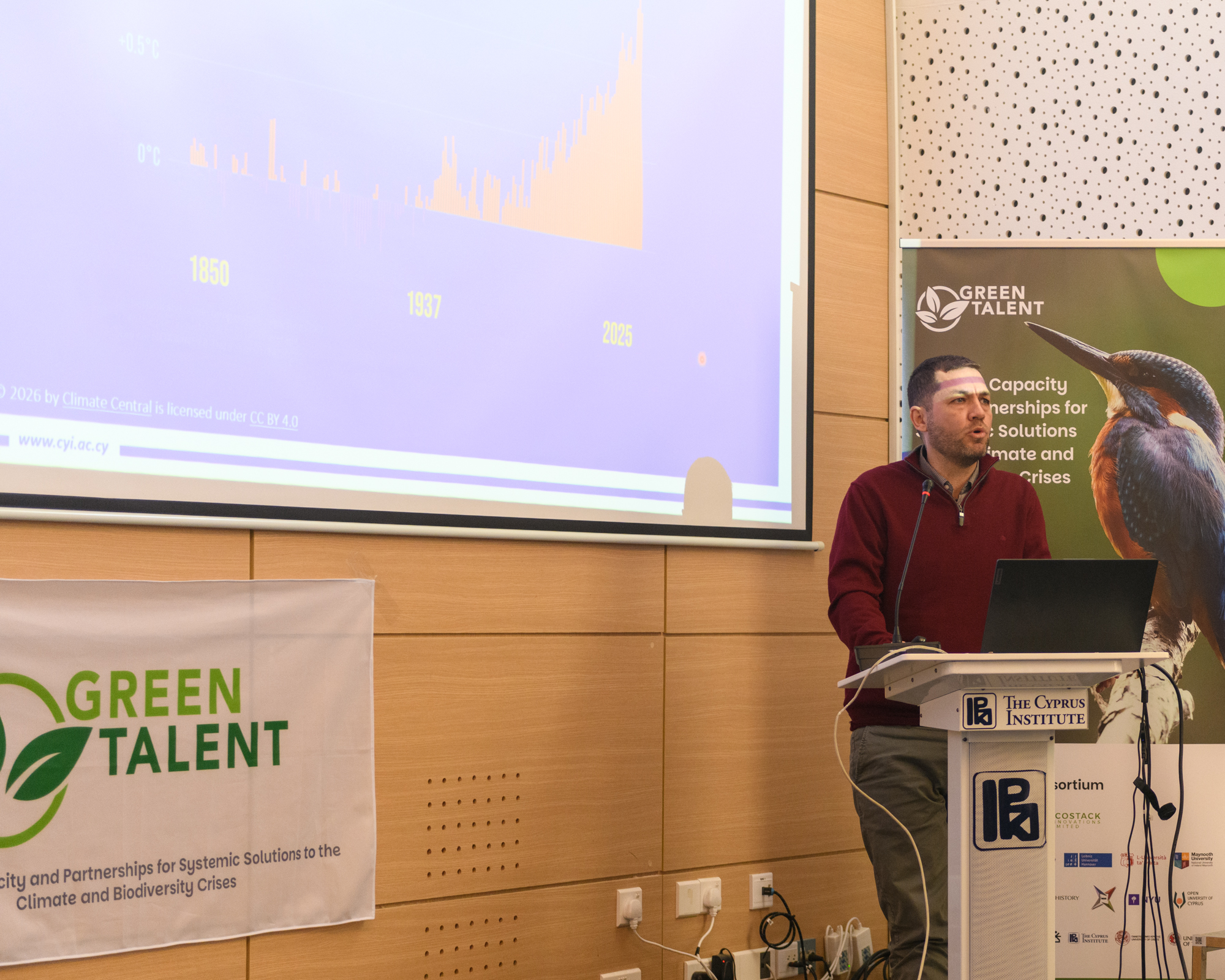
Dr. Savvas Zotos, a senior researcher at the Open University of Cyprus, delivered a presentation highlighting the role of regenerative agriculture for soil and ecosystem resilience enhancement. Dr. Vasilis Litskas, founder of VL Sustainability Metrics Ltd., shared more insights on restoration opportunities of abandoned municipal land and how to engage local communities in exploiting those lands for sustainable food production. As part of the agenda, Dr. George Zittis, a research scientist at the Cyprus Institute, explored past trends, future projections, and societal-ecological impacts driven by climate change in Cyprus. Cleo Yiangou, Innovation Officer at the Cyprus Institute, introduced the Needs Assessment Tool and the Green Talent Questionnaires, all part of WP2.
 |
 |
 |
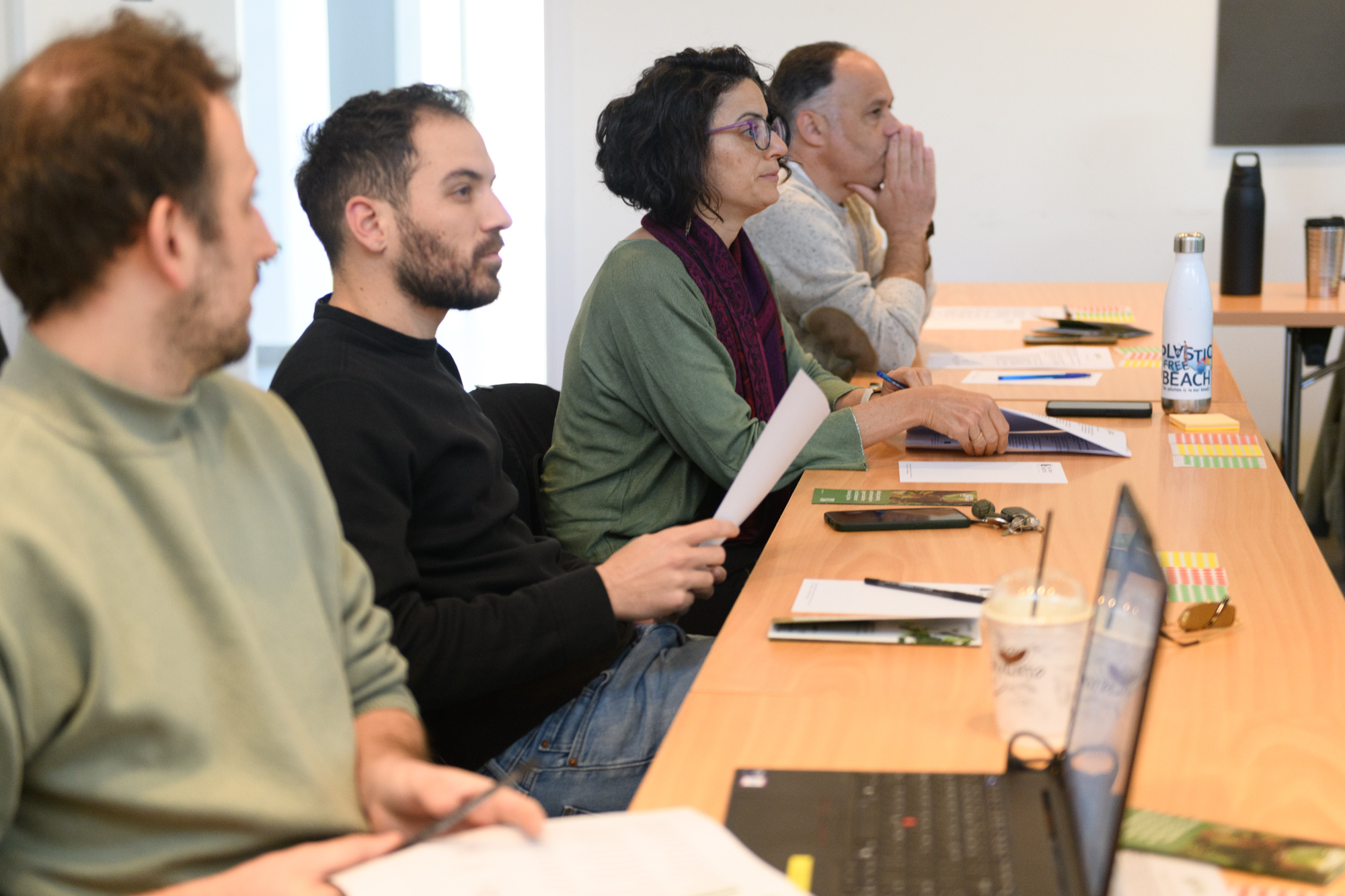
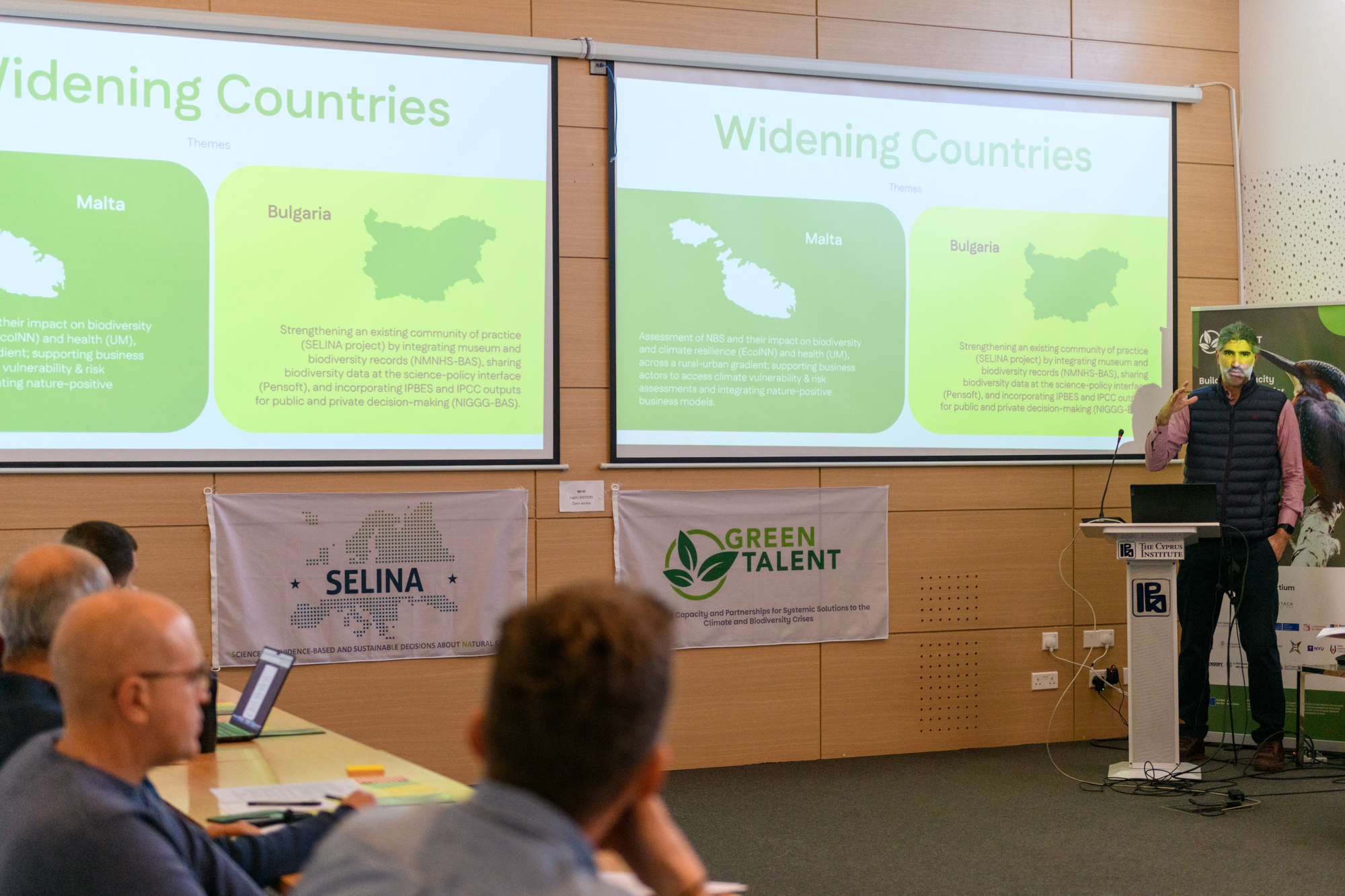
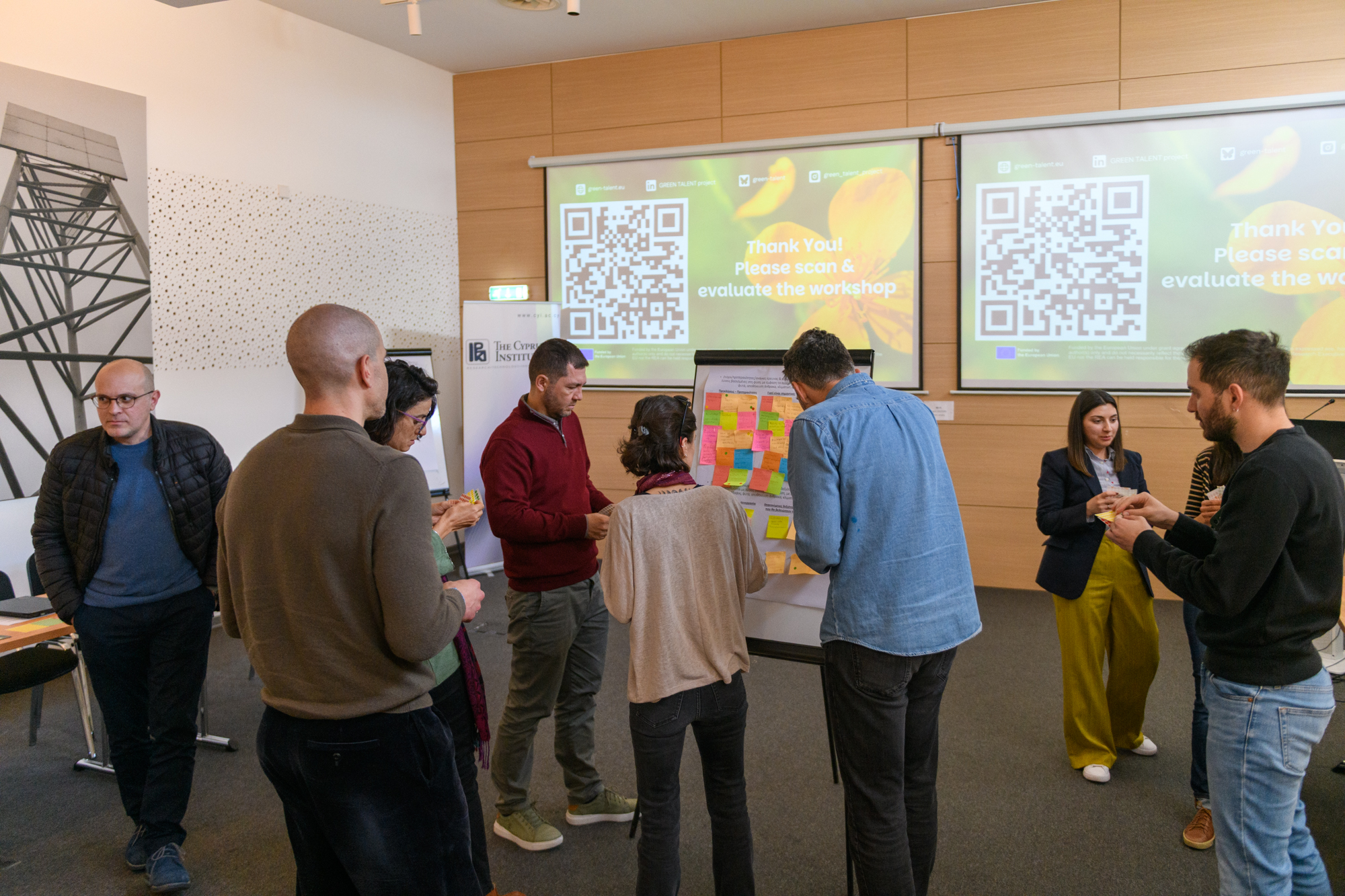
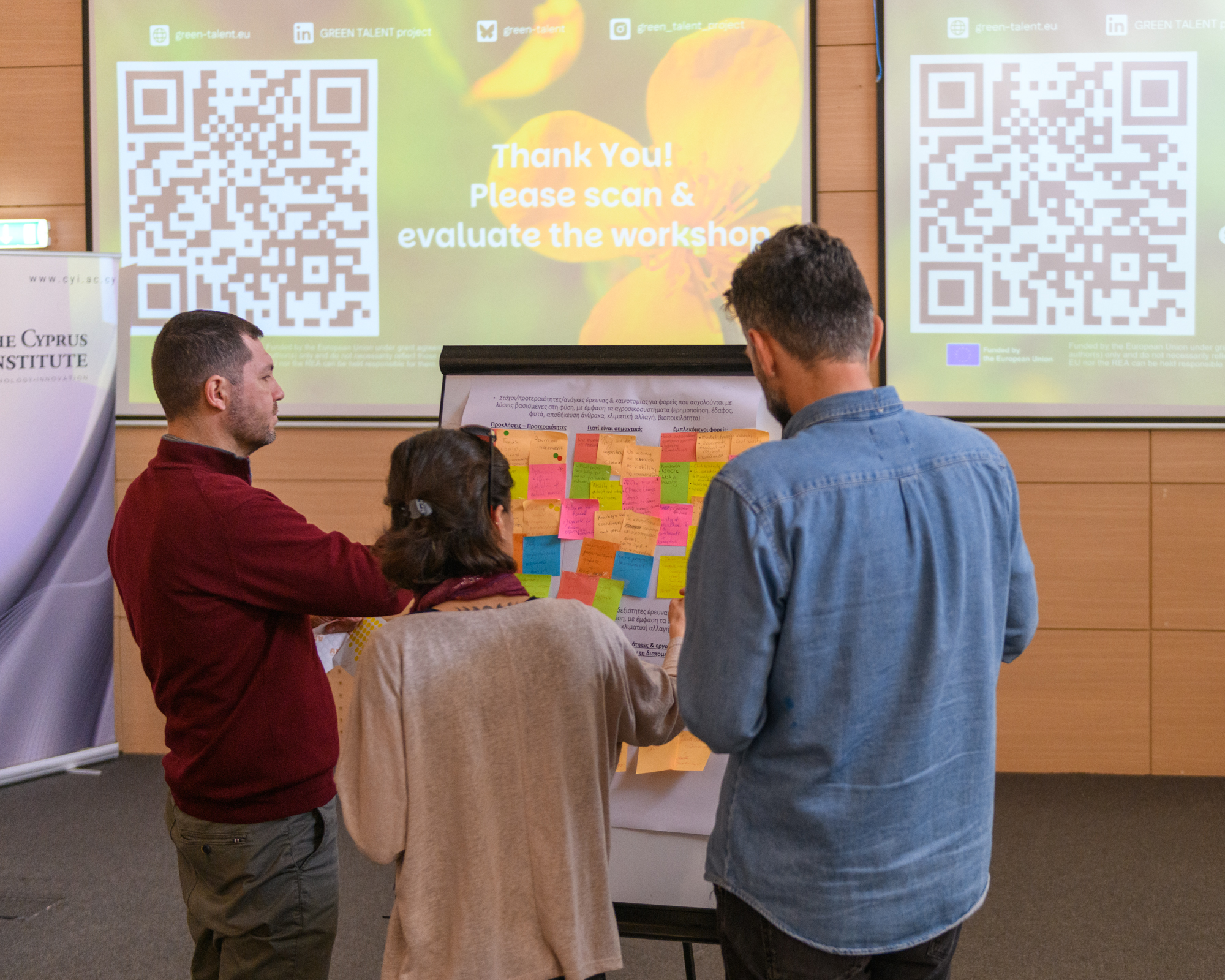
The workshop included an interactive session, engaging all participants in an open discussion. Attendees were tasked with identifying problems, challenges, and priorities related to R&I from the perspective of organisations dealing with nature-based solutions (NbS) in agroecosystems. Additionally, another exercise required indicating challenges, skills, and tools that organisations in this field lack or come across when initiating collaboration and joint research with other sectors or institutions. Participants contributed to the discussions, expressing their views and suggestions on what can be improved and initiated to increase capacity-building and partnerships in Widening Countries.
 |
 |
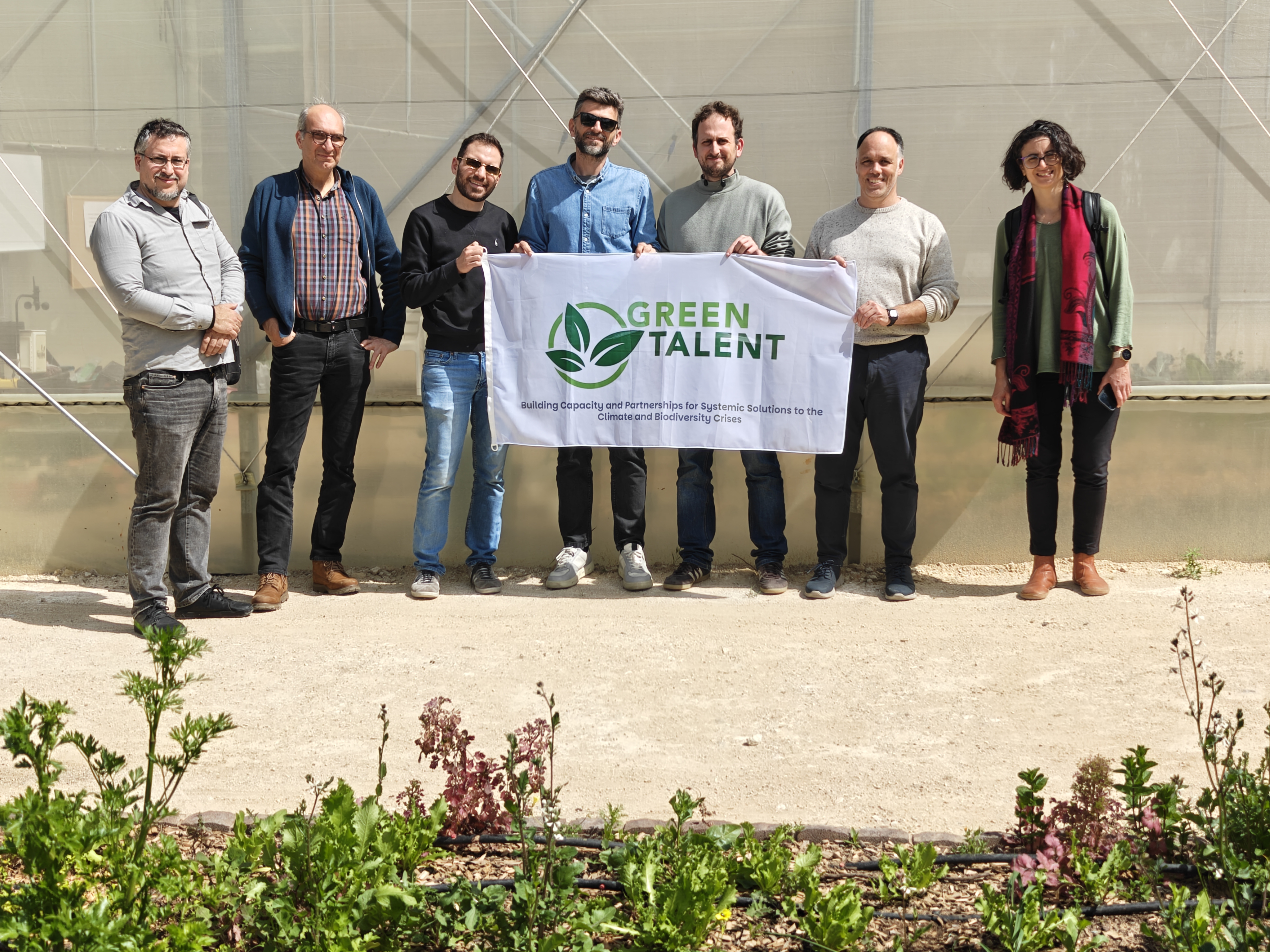
The workshop concluded with a site visit to the Strovolos Urban Agriculture Living Lab, developed by the FEED4FOOD project and managed collaboratively by VL Sustainability Metrics LTD., Strovolos Municipality, and the KES Research Centre. The field trip allowed workshop participants to explore the lab’s amenities, all part of a commitment to create a sustainable and productive environment. This final workshop marked the start of a collaborative process, initiating dialogue among interested stakeholders and identifying needs and priorities for strong cross-sectoral partnerships and joint activities across Cyprus and beyond.
 |